
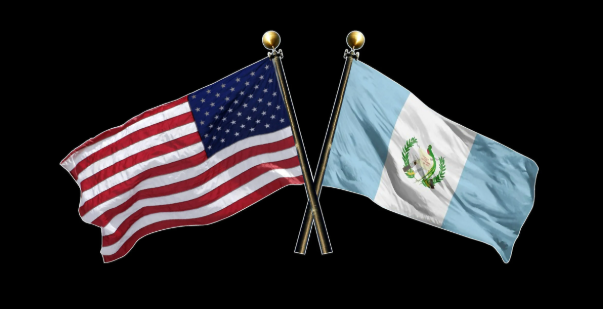
Hello again, and with mixed emotions, for the last time. The two seniors on the Guatemala 2026 experience, Olivia Coffren and I, Jonathan Isabelle, were tasked with wrapping up this unforgettable journey so that friends and family of the Massachusetts Maritime Academy could briefly experience both the beauty and hardships of Guatemala. By combining our perspectives, we hope to provide a meaningful glimpse into what this experience truly meant to us.
Back in the fall semester, while planning the trip, Captain Lennon asked Olivia and me if we would be willing to serve as senior leads for the upcoming experience. Without hesitation, we both said yes. It wasn’t until a few days later that the weight of that responsibility truly set in. We were responsible for ensuring everyone got along, followed curfew rules, and adhered to the no-drinking policy, but most importantly, to ensure the safety of the group. Looking back now, I don’t think I could have asked for a better group to lead, travel with, and bond alongside.
The plane ride to Guatemala was relatively quiet, as most of us were eager and excited to reach warmer weather and begin the journey. Once we settled into our first hostel, we made our way up to a rooftop where not a single one of us truly understood what lay ahead of us or how closely we would grow over the coming weeks. From a senior perspective, I was one of the two oldest students on the trip, and I found myself in a position I would have looked up to just three years earlier. This was my first real experience stepping into a leadership role, and while I was nervous, I was excited for the opportunities.
At first glance, the area surrounding the airport felt comparable to many cities in the United States. There was heavy traffic, honking cars, and the familiar chaos of a busy shopping district. However, after only about an hour outside the city, everything changed. Large shopping malls gave way to small storefront shops, called tiendas, which became frequent stops throughout the trip. Apartment buildings and hotels were replaced by modest concrete homes, many with iron bars over the windows and open fire pits out front used for cooking. After driving through the Guatemalan countryside, we arrived at a small airport where we boarded a small 70-passenger, twin-screw prop plane and headed toward the town of Flores.

This was when we first landed in Flores. The ride was rough, and you could feel every bump, but the views made it worth it. From the moment we took off, the landscape below us began to change, slowly trading busy city patterns for endless stretches of green. It only took about an hour from takeoff to touchdown, but in that short time, it felt like we had traveled much farther than the distance alone suggested. As we descended, the jungle seemed to rise up toward us, thick and untouched. Stepping off the plane, the heat hit us immediately, it went from about 79F to nearly 96F on the tarmac.
Guatemala is home to more than 300 microclimates, where temperatures can shift from a breezy 75 degrees to a humid 90 degrees within an hour—and we experienced that firsthand. As we stepped off the plane in Flores, we could visibly see heat waves rising from the tarmac. After a short walk through the town and one of our first family-style meals, we boarded a bus for another hour and a half ride deeper into the countryside, entering ancient Mayan territory: Tikal.
For many of us, this was our first time in the jungle. We expected snakes, spiders, and other small creatures, but what we did not anticipate were howler monkeys. On our first full day in Tikal, we planned to watch the sunrise from one of the temples. After waking up at 4:00 a.m. and gathering at the central lodge for a quick muster, we found ourselves entering the jungle in complete darkness. Along the way, we stopped at a few smaller sites where we received brief history lessons and eventually located a trail map near the main city.
As we stood there trying to orient ourselves and figure out where we needed to go, we were suddenly interrupted by loud, deep growls coming from no more than twenty feet away. Everyone snapped their heads toward the sound, only to be told that what we were hearing was howler monkeys. Although the species is no larger than an average five-year-old child, their voices sounded as if something massive was lurking nearby. That moment served as a subtle but powerful reminder that we were far from home.

This was taken at the top of the temple we climbed. As you can see, it was fairly cloudy, so we were unable to see the sunrise itself, but the moment was still incredibly peaceful. Everything around us was completely still and quiet. In the silence, you could hear different animals calling to one another across miles of jungle, their sounds echoing through the trees. What I found most captivating was that right around the time the sun was supposed to break over the horizon, the jungle suddenly came alive. The howler monkeys began calling out all at once, and you could hear dozens of them howling in the distance. Even without seeing the sunrise, it felt like we were witnessing it through sound alone. Standing there, surrounded by history, nature, and that overwhelming sense of calm, was a moment I will never forget.
After the first weekend concluded, we made our way to our main destination: Antigua, Guatemala. This would be the city where we lived and worked within local communities for the majority of the trip. After a brief flight and a nearly two-hour bus ride, we arrived. After checking into the hostel and dropping off our bags, Captain Lennon gave us a short tour of the surrounding area. When people think of a city, they often imagine tall buildings, heavy foot traffic, and busy streets. Antigua fits that description in some ways, but with its own distinct character.
In this part of the country, pedestrians do not have the right-of-way. Cars weave through narrow streets, traffic flows unpredictably, and everything moves at its own pace. The roads are not paved but made of cobblestone, which creates uneven pathways throughout the city. Traffic consists not of luxury cars, but motorcycles, small pickup trucks, and local transit vehicles known as tuk-tuks. At first glance, it all feels chaotic, but after spending some time there, you begin to recognize that there is a method to the madness.
One of the most memorable experiences was walking through the local market. The best way to describe it is to imagine a maze roughly the size of a football field, with a different vendor every few feet selling something new. Everything from soccer jerseys to dried fish—and truly everything in between—could be found there. This was a major culture shock for me, as markets like this are rare back home. While others searched for souvenirs and clothing, I found myself captivated by the fruit vendors. Each stand offered different selections at different prices, and within the first week, I made it a goal to try every fruit the country had to offer, quickly deciding which ones were my favorites.

This was one of the smaller fruit stands in the local market. As you can see, there were several different types of fruit available, ranging from familiar items like apples and pears to less common ones such as raw cacao and dragon fruit. Each stand offered fruit at different stages of ripeness and at different prices, which made every vendor unique. Some fruit was meant to be eaten that day, while others were clearly meant to last a few more days. What stood out to me most was how knowledgeable the vendors were about their products and how proud they seemed of what they were selling. Walking through the market and seeing the variety, freshness, and care that went into each stand gave me a deeper appreciation for how central these markets are to daily life and to the local economy.
Once Monday morning arrived, we had breakfast with Violetta, marking the first of many shared meals. After eating and talking, we split into groups and headed to our first worksite. For all of us, this marked our first true exposure to daily Guatemalan life and the challenges many communities face. Our initial task involved removing bookshelves from a classroom, scraping old paint off the walls, and priming them for a fresh coat.
Despite the physical nature of the work, the group had a great time. As we carefully chipped away at damaged paint, we found ourselves laughing, talking, and bonding. This work culture became a defining aspect of the entire trip. Whether during the first week, painting walls, or the final week carrying heavy cement blocks across a football field, laughter and communication were constant. Each worksite was different, yet shared common themes of teamwork and purpose.
What I found most humbling was that even though not everyone spoke the same language, we all understood one another in the ways that mattered most. We shared the same goal: to help, to connect, and to leave each other smiling at the end of the day.
As this experience comes to an end, what stays with me most is the opportunity to make even a small difference in the lives of the communities we worked with. Knowing that our time, effort, and energy helped create safer and more positive learning environments for children who have so little is something I will carry with me for the rest of my life. I am incredibly grateful for the opportunity to travel to Guatemala and to experience a culture, way of life, and set of challenges so different from my own. This trip deepened my sense of gratitude for the opportunities I often take for granted and reminded me of the impact that service, no matter how small, can have. I am also deeply thankful to Captain Lennon and Professor Cadwalader for accompanying us on this journey and for guiding us every step of the way. Their leadership, support, and willingness to show us the ropes in Guatemala made this experience possible and meaningful. Additionally, I am grateful to our local mentors who worked alongside us each day—translating, teaching, and introducing us to the communities we served. Their patience and dedication helped bridge cultural and language gaps and allowed us to form genuine connections. Just as important was the joy I found in bonding with every member of our group. What began as a group of individuals quickly became a close-knit team built on trust, laughter, and shared purpose. The memories we created, the challenges we faced together, and the relationships we formed made this experience far more than just a trip. It became a life-altering experience and a cornerstone of my college career, one that I will carry with me long after leaving Guatemala.

This was taken when we were at Lake Atitlán, a natural lake formed inside a collapsed volcano. Surrounded by mountains and volcanoes, the lake felt almost unreal, as if it were something out of a postcard. Right behind us was nearly a 50-foot cliff jump that several of us took on, including Professor Cadwalader. Watching everyone step up to the edge, hesitate for a moment, and then jump was both nerve-racking and exciting. It was a reminder of how this trip pushed us outside of our comfort zones, not just through the work we did, but through experiences that built trust and confidence. Moments like that, ones filled with adrenaline, laughter, and encouragement, brought the group even closer and created memories we will talk about long after the trip ended.
Olivia Coffren: As the only female and one of the two seniors on this trip, my experience in Guatemala carried a unique set of challenges and rewards. When Captain Lennon first asked Jonathan and me to serve as senior leads, I immediately felt honored. Like Jonathan mentioned, the weight of that responsibility did not fully sink in until later. Being a senior means people look to you, whether you feel ready or not. And being the only girl added another layer to that role that I hadn’t fully anticipated.
From the very beginning, I knew this trip would push me outside of my comfort zone. Traveling and working alongside eleven guys meant constantly finding my place within the group dynamic. There were moments when conversations revolved around sports or inside jokes I didn’t quite connect with, and times when I felt the quiet pressure to keep up physically and mentally without complaining. But in many ways, that challenge shaped me. I learned how to speak up when I needed to, how to advocate for myself, and how to lead in a way that felt authentic rather than forced.
The physical labor was demanding. From scraping paint and carrying materials to laying pavers and mixing cement, the work required long hours in the sun. There were days I felt completely drained, especially while balancing leadership responsibilities and trying to stay present for the group. But each time I saw a freshly painted classroom or watched children run into a brighter, cleaner space, the exhaustion felt worth it. Knowing we were contributing to safer and more welcoming learning environments made every blister and sore muscle meaningful.
One of the most personally challenging parts of the trip came when I got sick. Missing work and Spanish class was incredibly frustrating, especially as a senior leader. I felt like I was letting people down and falling behind. Hiking the volcano while still weak was one of the hardest things I’ve ever done, both physically and mentally. There were moments I wanted to stop entirely. But the encouragement from the group reminded me that leadership is not about being the strongest person in the room; it is about perseverance, vulnerability, and trusting the people around you. Reaching the top and watching El Fuego erupt was more than just a beautiful view; it was proof to myself that I could push through more than I thought possible.

Standing at the summit together before our hike down, exhausted but proud, felt symbolic of the entire trip. We had pushed ourselves beyond what we thought we could do, and that moment captured the resilience and teamwork that defined our experience.
Beyond the work, what impacted me most were the relationships. Bonding with the kids, teaching them simple English words like “hello” and “goodbye,” and watching their excitement reminded me why helping them matters. Even when we didn’t share the same language, smiles and laughter became our common ground. My one-on-one time in Spanish class also forced me to be patient with myself. Progress came slowly, but each new word understood felt like a small victory.
My group (David, Kevin, Ryan, and Olivia) at Santa Maria de Jesus on our last day of work, celebrating with the students with watermelon. This photo represents everything the trip stood for — connection, joy, and community. On our last day at the worksite, celebrating with watermelon alongside the students felt like the perfect ending. It wasn’t just about the projects we completed; it was about the bonds we formed.
Being immersed in Guatemalan culture changed my perspective in ways I didn’t expect. Walking through the markets, riding the crowded chicken buses, and seeing the visible presence of Mayan traditions in daily life opened my eyes to how different, yet how connected, our worlds are. I gained a deeper appreciation for simplicity, community, and gratitude.
Most importantly, this trip taught me confidence. Not loud confidence, but steady confidence, the kind that comes from stepping into uncomfortable spaces and realizing you are capable. It taught me that leadership does not require perfection. It requires compassion, accountability, and the willingness to grow.

Sitting around the table with our mentors, sharing a our final meal and reflecting on the past weeks, made it clear how much we had grown. What started as a group of individuals became a close-knit team built on trust, laughter, and shared purpose.
Guatemala was not just any trip. It was a test of resilience, teamwork, and self-discovery. As a senior, and as the only female on this experience, I leave feeling stronger, more grateful, and incredibly proud of the group we became. What started as a responsibility turned into one of the most transformative chapters of my college career, one that I will carry with me long after graduation.
Gracias por compartir nuestro viaje y hasta la próxima!