
The Energy Systems Engineering (ESEN) program prepares cadets for careers in engineering planning, design, and installation of technical equipment systems required for power generation and management. These systems assist in the distribution of electrical power with the ability to engage in all facets of energy engineering. The fast-growing energy industry — including conventional and alternative — demands graduates with technical problem-solving skills. Our cadets are ready to meet these demands.
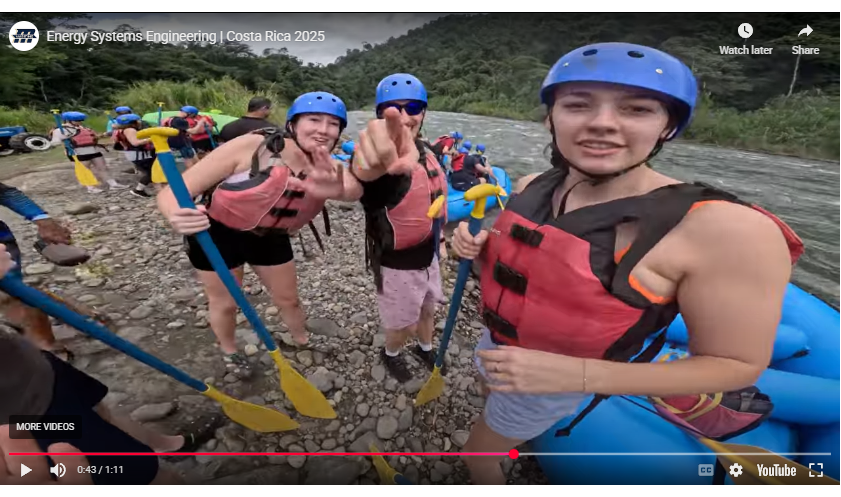
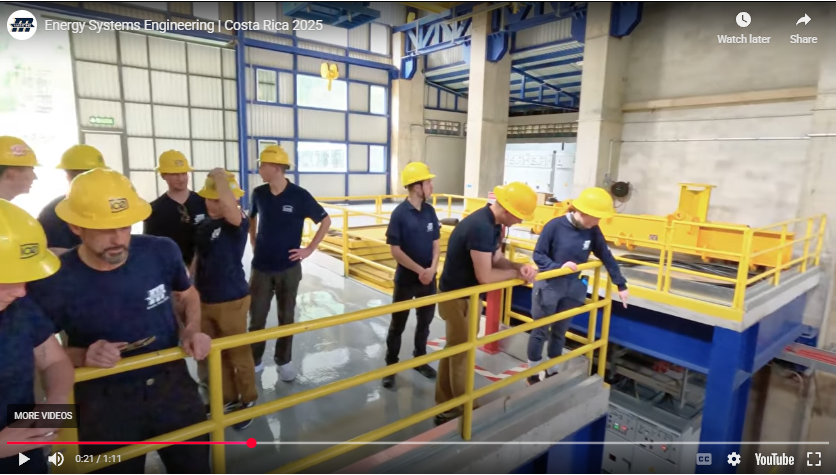
Advanced mathematics and applied engineering courses drive curriculum and help cadets develop technical skills; field work focuses on the necessary teamwork, communication, critical thinking, and ethical components. For example, in Costa Rica’s rain forests, cadets explore natural resources and help develop a sustainable community at the local and national level.
This program requires cadets to complete at least two co-ops and to take the nationwide Fundamentals of Engineering (FE) exam. An optional USCG Marine Engineer license can be attained by completing a dual major in Marine Engineering (MENG) and four sea terms.
- ESE | First Place Winners in Uncrewed Electric Open Watercraft Category
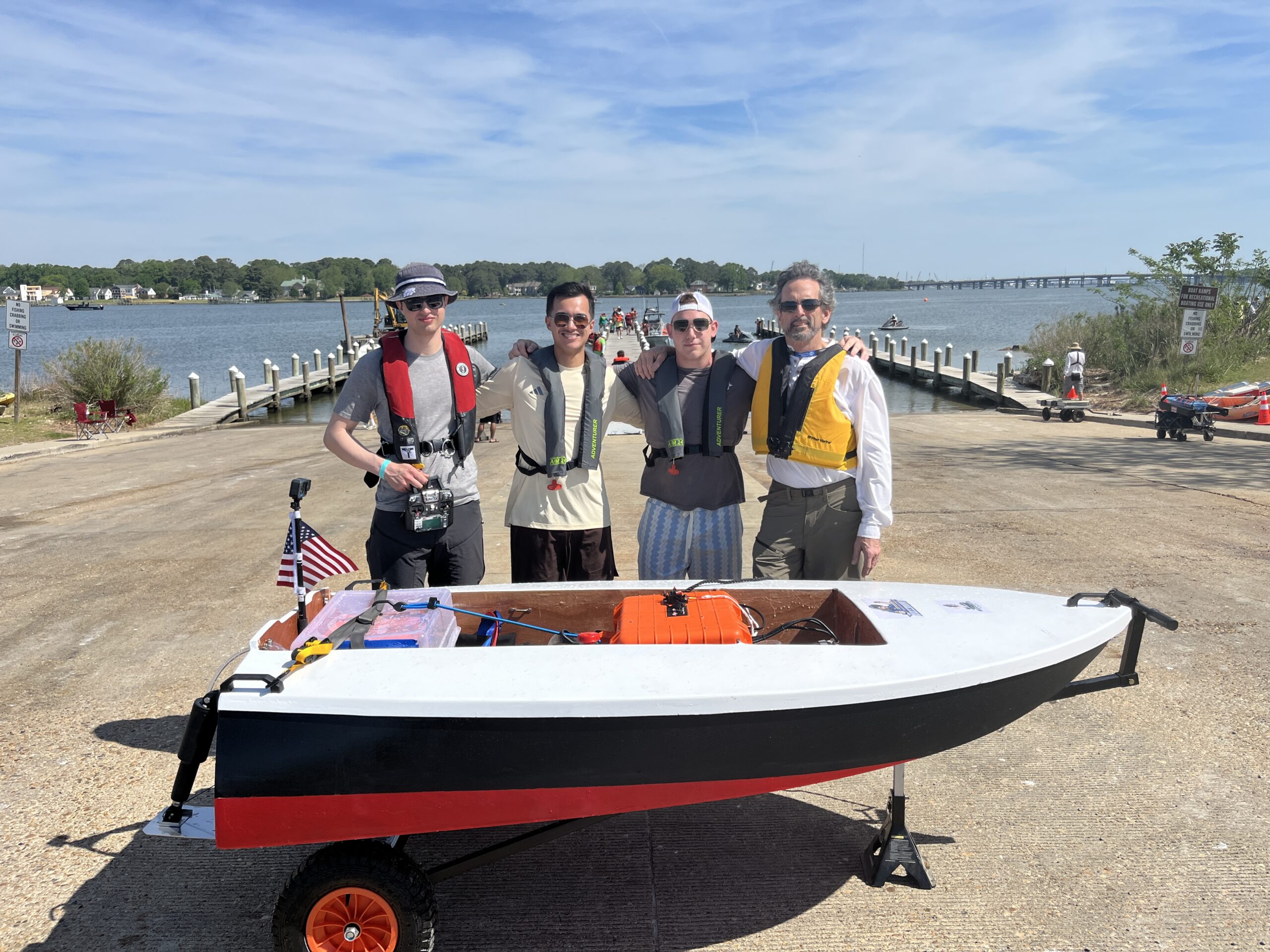
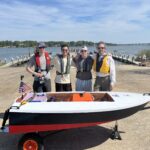 Very proud to announce that the ESE team of Knox Ackerman, Dhillan Maxwell-Coimbra and Michael Voci won first place in the Uncrewed Electric Open Watercraft category against 15 other teams in the national 2026 PEP Workforce Development Competition. The team designed, built and tested a boat hull, propulsion system, steering system and remote-control system as part of their ESE Design Capstone course. They were awarded best whitepaper and fastest time around a 2-mile race course (97 out of 100 points)! Amazing results for MMA’s first-time entry in this national competition, and a testament to… Read more: ESE | First Place Winners in Uncrewed Electric Open Watercraft Category
 - ESE | BE the Future Scholarship
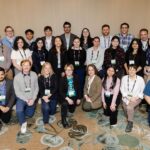 Energy Systems Engineering student 3/C Morgan received a scholarship to attend the Northeast Sustainable Energy Association’s (NESEA) Building Energy conference in Boston this spring. She had the opportunity to network with professionals in the industry, attend presentations about new technologies and solutions for issues facing sustainable energy development, as well as walk around their trade show and speak directly with companies implementing these technologies.
 - ESE | Students Compete to Design, Build and Test an Unmanned, Remote-controlled Electric-powered Watercraft
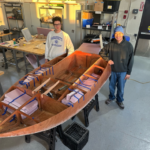 A team of 3 ESE students enrolled in a national collegiate competition as part of their 2-semester Design Capstone course. The event required the design, build and testing of an unmanned, remote-controlled electric-powered watercraft. The PEP (Promoting Electric Propulsion) workforce development program sponsored by the Office of Naval Research provided the team an additional $7000 grant on top of the $5000 per team ESE project budget. The competition will be held April 15-16 in Portsmouth VA.
 - ESE | Co-Op Update: Fleet Robotics
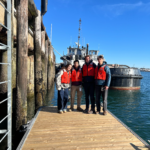 By Lorenzo Cicco, Energy Systems Engineering, 2/C At Fleet Robotics, I gained hands-on experience in robotics development by testing marine coatings, running FEA simulations, and designing CAD parts to support improvements to an underwater vessel-cleaning robot.
 - ESE | Introduction to Design – Trebuchet Competition
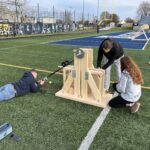 The ESE class of 2027 Introduction to Design cadets conducted a Trebuchet Competition event on December 11. Each of the six teams was provided 20 pounds of weight with a maximum drop height of 3 feet as a potential energy source to throw a tennis ball as far as possible down the field. The teams spent 8 weeks designing, building and testing their Trebuchet design concepts. The competition event had 3 design objectives; longest distance, most consistent distance and fastest firing rate of… Read more: ESE | Introduction to Design – Trebuchet Competition
 - ESE | Ella Morgan
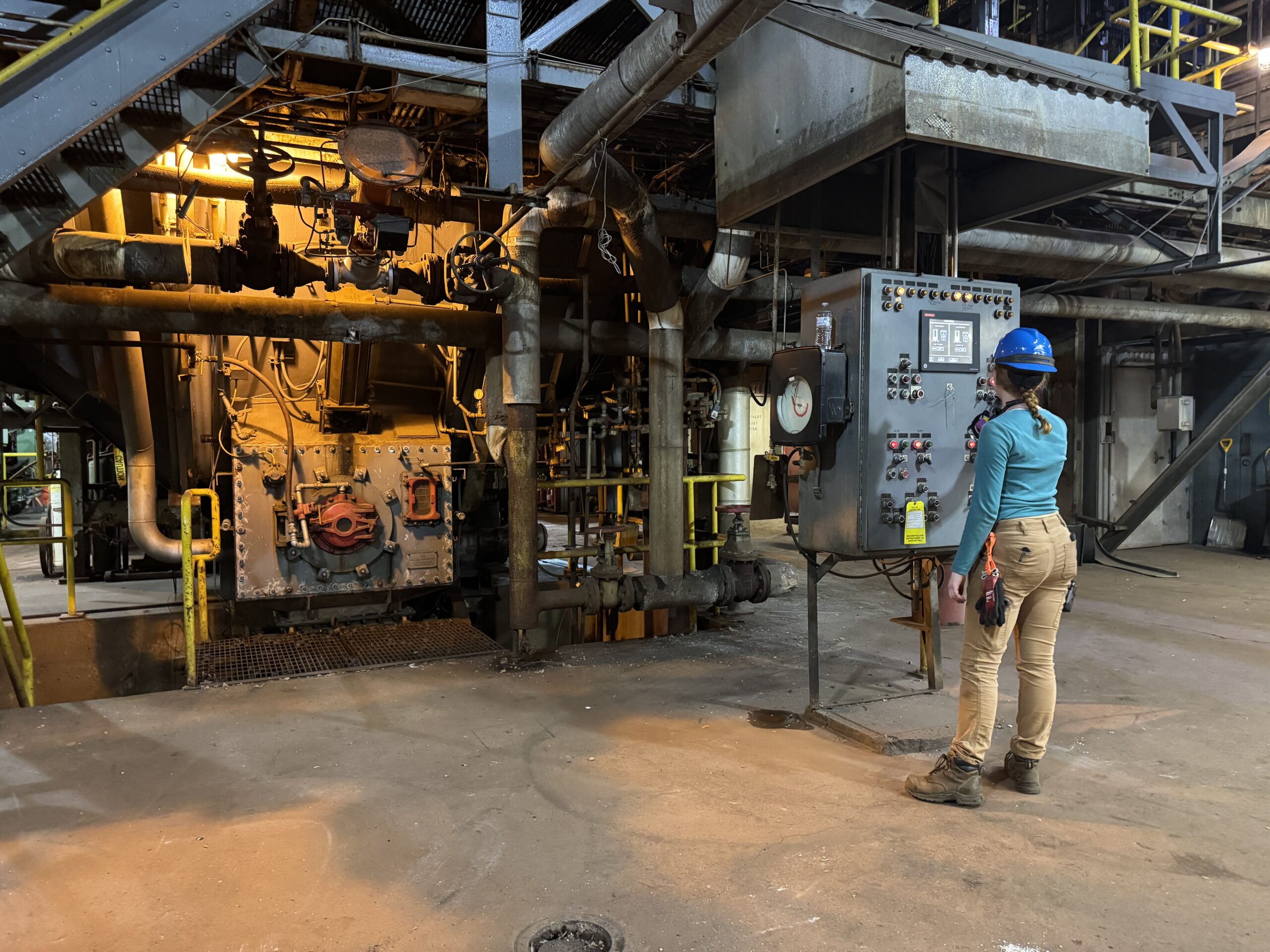
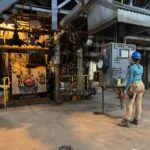 Over the summer Ella completed an internship with Granite Shore Power at Merrimack Station, the last major coal power plant in New England. There, she worked with their operations and maintenance departments to maintain and operate equipment both on and offline. It was rewarding to apply the lessons learned in first-year engineering courses to an operating plant and gain a broader understanding of how various systems work together to sell power to the grid. She… Read more: ESE | Ella Morgan