The Marine Science, Safety, and Environmental Protection (MSSEP) program focuses on enhancing coastal and ocean environments and promoting health and safety in the workplace, our lives, and our environment. Graduates are prepared to boost the blue economy and be leaders in environmental stewardship.
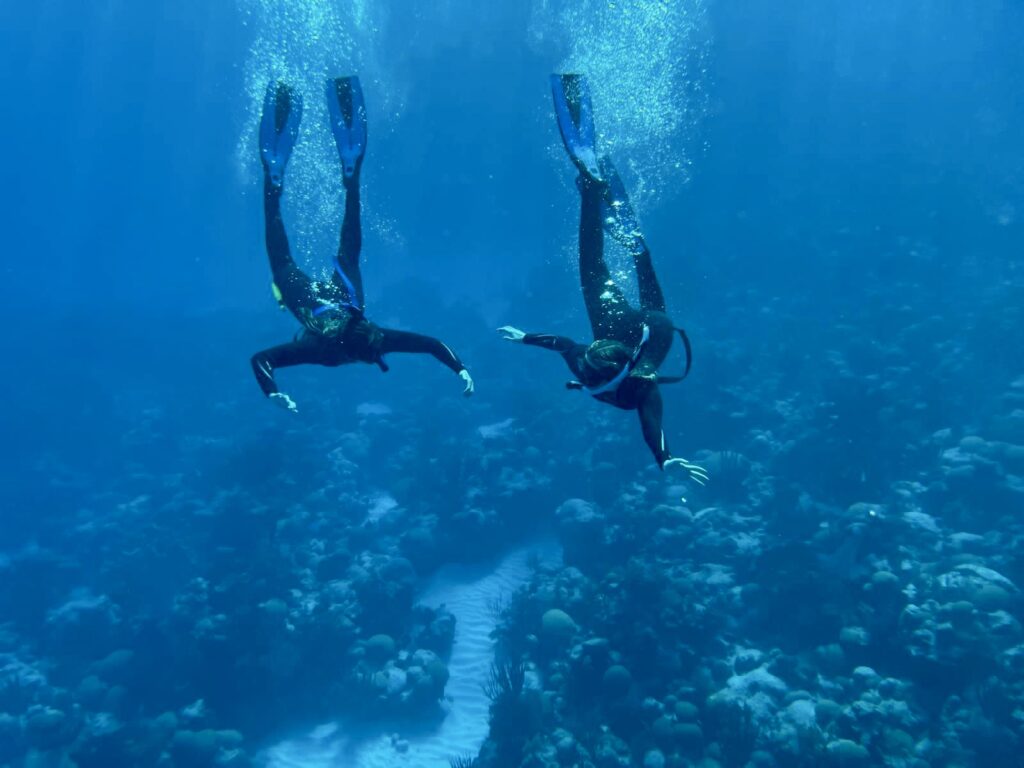
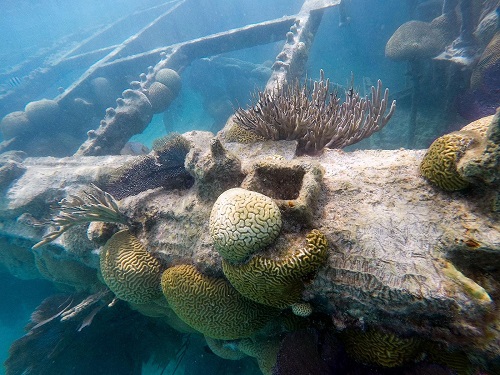
All first-year cadets participate in a tropical ecology field course in Bermuda. Cadets snorkel at a variety of reefs to study how these incredible ecosystems function. The field course also includes hikes through forests, mangroves, and caves. Cadets learn about environmental impacts and solutions.
This program requires a six-week co-op and a three-credit co-op with opportunities in 1) environmental health and safety at top industries, hospitals, and research institutions; 2) marine science with scientific institutions such as the Woods Hole Oceanographic Institution and government agencies such as NOAA; and 3) environmental and wildlife protection with non-profits and government agencies such as the Department of Environmental Protection. An in-house stormwater monitoring co-op prepares students for careers in environmental protection.
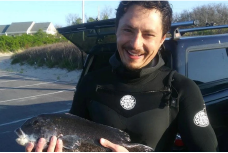
MSSEP 4+1 Master’s Degree Program
Accelerated Coastal and Ocean Administration, Science and Technology Professional Science Master’s (COAST PSM) Program
Latest MSSEP Updates
- MSSEP | Student Success in Research
 Since 2024, several MSSEP students have volunteered as scientists aboard NOAA’s Ecosystem Monitoring (EcoMon) cruises on the Henry B. Bigelow. EcoMon surveys are carried out at 120 randomly chosen stations and 35 fixed stations throughout the continental shelf and slope of the northeastern United States. At each station, MSSEP students collected and preserved plankton, larval fish,… Read more: MSSEP | Student Success in Research
 - MSSEP | 2025 Eelgrass Mapping Student Research
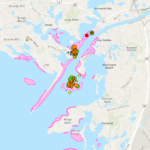 Environmental Monitoring is a senior capstone class for MSSEP students that provides an invaluable opportunity for hands-on fieldwork and research in various environmental projects. The range of activities, from fish tagging to bird sightings to microplastic counting on beaches, offers students a diverse and comprehensive understanding of environmental monitoring techniques. Students not only learn how… Read more: MSSEP | 2025 Eelgrass Mapping Student Research
 - MSSEP | January 2025: Bermuda Videos by Lucas Pender

- MSSEP | January 2025: Hawaii Videos by Lucas Pender

- MSSEP | June 10, 2025: McCaela Accord’s Independent Study work on Tunicates (video)
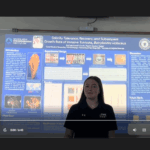
- MSSEP | January 2025 MSSEP Geological Oceanography Hawaii Trip
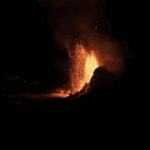 Check out the Geological Oceanography Hawaii Trip Storymap!
 - MSSEP News Archives
 January 2025 Geological Oceanography Hawaii Field Trip 2025 Hawaii Field Experience Story Map Cadets Jessica Rotondo and Lucas Pender were recently volunteer scientists aboard NOAA’s Spring Ecosystem Monitoring (EcoMon) cruise on the Henry B. Bigelow. EcoMon surveys are carried out at 120 randomly chosen stations and 35 fixed stations throughout the continental shelf and slope of… Read more: MSSEP News Archives
 - MSSEP | Bermuda 2024